


Start a Vehicle Wrap Print Shop: Help & Tips

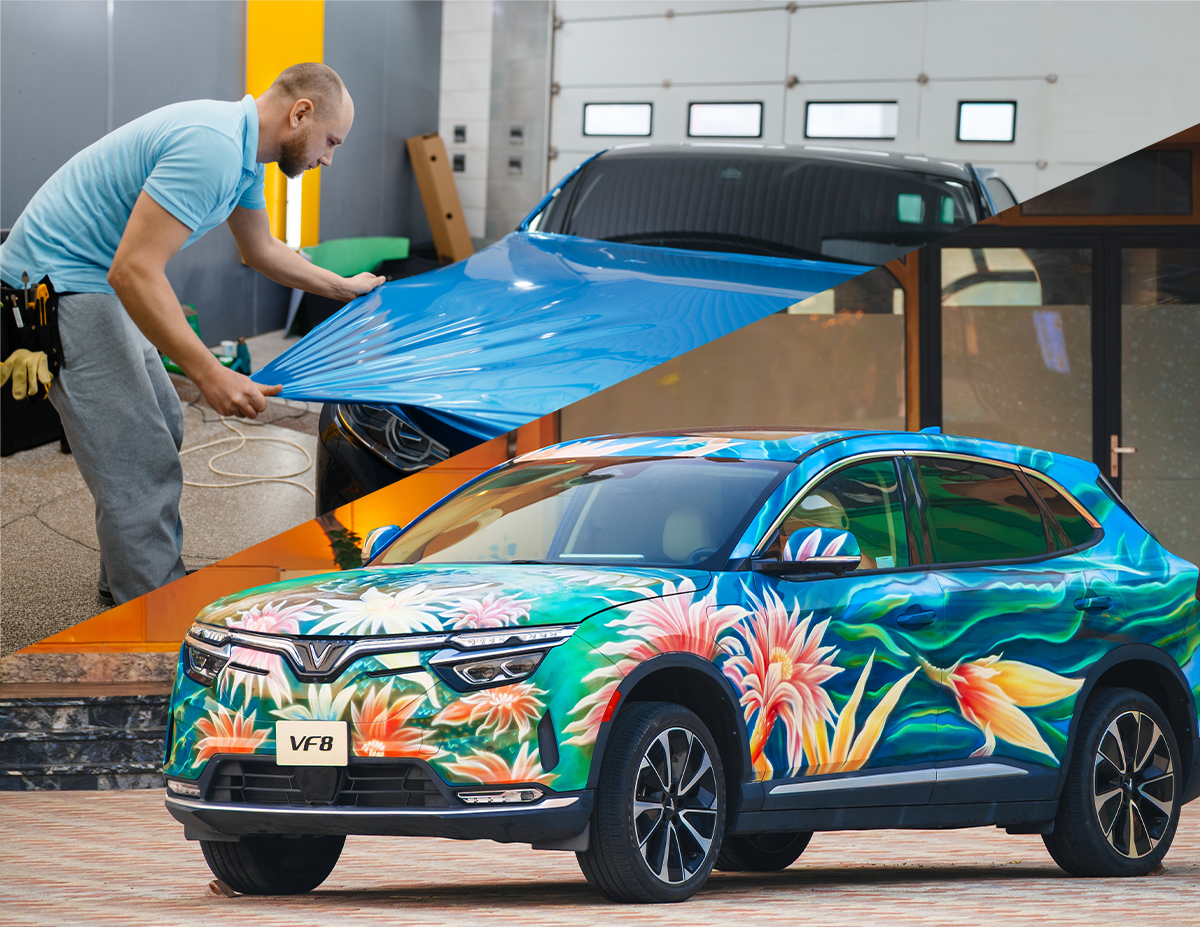
Supporting Small Businesses in Starting a Vehicle Wrap Print Shop
Entering the vehicle wrap and fleet branding industry requires far more than creative design skills, it demands the right printing technology, workflow efficiency, and production strategy. Whether you're launching a new print shop or expanding your current signage business, selecting the right equipment and systems will directly influence your profitability, turnaround time, and quality.
This guide outlines the essential components needed to build a high-performing vehicle wrap production setup. It is focused on helping small businesses start a vehicle wrap print shop: services, equipment, pricing, workflow, and common pitfalls. We also address how custom vehicle wraps support car wrap advertising and the kinds of vehicle wrap services that modern print shops can offer profitably.
What Makes a Good Wrap Printer (Latex/UV, Conformable Media)
At the core of every successful wrap shop is a high-quality wide-format printer. A reliable wrap printer must combine colour accuracy, durability, speed, and media compatibility.
Key Features to Prioritise
- Wide colour gamut for bold branding and detailed graphics
- Durable inks resistant to UV, weather, and abrasion
- Support for conformable media, especially cast vinyl
- Consistent output for repeat fleet work
Printer Technologies Explained
Eco-Solvent Printers
- Produce rich, vibrant colours
- Excellent outdoor durability
- Require 24–48 hours out-gassing before lamination
- Lower upfront investment, slower workflow
Latex Printers
- Instant curing—no out-gassing needed
- Faster production and same-day turnaround capability
- Environmentally friendly with low VOCs
- Slightly higher energy consumption
UV Printers
- Instant curing and strong adhesion
- Better suited to rigid substrates than wraps
For vehicle wraps, latex and eco-solvent printers dominate, especially when paired with premium cast vinyl, which is highly flexible and ideal for complex curves and deep recesses.
Print-and-Cut Workflow
A structured workflow is essential for reducing delays, minimising waste, and maintaining consistent quality.
Standard Workflow
- Design – Created using Illustrator or CorelDRAW with vehicle templates
- Printing – Output onto wrap vinyl
- Out-gassing – Required for eco-solvent prints
- Lamination – Protective film applied
- Cutting – Contour cutting using plotter
- Installation
Workflow Setup Options
- Integrated print-and-cut systems: Compact and efficient
- Separate printer and cutter setups: More flexibility for scaling
An optimised workflow enables your shop to handle both custom wraps and high-volume fleet jobs efficiently.
Software Setup & Production Control
While hardware is critical, software is what ties your entire operation together. Modern print businesses rely on digital systems to streamline production, reduce errors, and improve visibility.
HP PrintOS Production Hub
A highly recommended solution is HP PrintOS Production Hub, a cloud-based platform designed to control and optimise print workflows from anywhere.
Key Capabilities
Real-Time Job Tracking
Monitor job progress across all production stages to meet deadlines and quickly resolve bottlenecks.
Automated Workflows
Automate job routing and processes to reduce manual intervention and minimise costly errors.
Centralised Control
Manage multiple printers and jobs from a single dashboard, whether on-site or remote.
Advanced Analytics
Access performance data, utilisation reports, and job costing insights to improve efficiency and profitability.
Consistent Output
Maintain standardisation across jobs—essential for multi-vehicle fleet branding.
Why It Matters
Implementing a system like HP PrintOS allows your business to:
- Increase output without increasing labour
- Reduce downtime and scheduling issues
- Improve job accuracy and consistency
- Scale operations more effectively
For growing wrap shops, especially those targeting commercial fleets, this level of production control becomes a significant competitive advantage.
Durability & Laminating
Durability is a core selling point of vehicle wraps. Customers expect longevity, and proper lamination ensures your work stands the test of time.
Benefits of Lamination
- Protects against UV fading
- Prevents scratches and abrasion
- Enhances visual finish (gloss, matte, satin)
- Adds strength to printed vinyl
Best Practices
- Always use cast laminate with cast vinyl
- Invest in a professional laminator
- Allow proper curing time for eco-solvent prints
Skipping or rushing lamination can lead to premature failure, costing both money and reputation.
Fleet-Scale Production
Fleet branding introduces volume, consistency, and deadlines that differ from one-off custom jobs.
Common Challenges
- Maintaining consistent colours across vehicles
- Managing large production volumes
- Meeting tight turnaround times
- Reducing errors at scale
Strategies to Succeed
- Implement colour calibration systems
- Use standardised templates for repeat work
- Batch print and organise jobs efficiently
- Maintain strict quality control
Fleet jobs may have tighter margins per unit, but they provide reliable, recurring revenue, making them essential for long-term business stability.
Recommended SMARTECH Setup
For businesses entering or scaling in the wrap industry, working with an experienced solutions provider can simplify setup and accelerate success. SMARTECH offers premium wide-format printers and business support tailored to print shops, helping them launch and grow efficiently.
Epson SureColor Printers
Epson's SureColor S-Series is known for precision, reliability, and cost efficiency.
EPSON SureColor S9160
- 11-colour UltraChrome GS3 ink set
- Includes Red, Orange, and Green
- Exceptional colour gamut for high-end wraps
- Ideal for premium branding work
EPSON SureColor S7160
- 4-colour UltraChrome GS3 system
- Includes Light Cyan and Light Magenta
- Cost-effective and reliable
- Perfect for small to mid-size operations
HP Latex Printers
HP Latex printers excel in speed, sustainability, and workflow efficiency.
HP Latex 630 W
- White ink capability
- Compact and easy to operate
- Ideal for small shops and creative applications
HP Latex 730W
- Designed for productivity and consistent output
- Suitable for growing businesses handling larger volumes
HP Latex 830W
- High-performance industrial printing
- Handles large fleet projects efficiently
- Built for maximum productivity
Why Choose SMARTECH
SMARTECH delivers more than equipment—they provide a complete business solution, including:
- Expert printer selection guidance
- Workflow setup and optimisation
- Access to premium materials
- Scalable solutions for growth
This support helps reduce startup risk and enables faster entry into the market.
Final Thoughts
Building a successful vehicle wrap print shop requires a combination of advanced equipment, efficient workflows, and smart production management.
To Summarise, a Strong Setup Should Include:
- A high-quality wide-format printer
- Premium cast vinyl and laminate materials
- Optimised print-and-cut workflow
- Integrated production software like HP PrintOS
- Scalable systems for fleet branding
If you're exploring how to start a vehicle wrap business, use this framework as a practical roadmap. With the right tools, training, and strategic partnerships—such as those offered by SMARTECH—you can establish a competitive and profitable print business in the fast-growing vehicle wrap market.
Q&A
Question: How should I choose between eco-solvent, latex, and UV printers for vehicle wraps?
Short answer: For wraps, latex and eco-solvent printers dominate because they balance colour, durability, and media flexibility. Eco-solvent delivers rich colours and excellent outdoor durability but requires 24–48 hours of out-gassing before lamination and typically runs a slower workflow (with lower upfront cost). Latex cures instantly, enabling faster, same-day turnaround with low VOCs, at the cost of slightly higher energy use. UV also cures instantly with strong adhesion but is better suited to rigid substrates than wrap vinyl. Whichever you choose, prioritise wide colour gamut, durable inks, support for conformable media (premium cast vinyl), and consistent output—especially for repeat fleet work.
Question: What does an efficient print-and-cut workflow look like, and should I use an integrated or separate setup?
Short answer: A standard vehicle wrap workflow is:
- Design with accurate vehicle templates
- Print onto wrap vinyl
- Out-gassing (only for eco-solvent)
- Lamination
- Contour cutting on a plotter
- Installation
Integrated print-and-cut systems are compact and efficient for small spaces, while separate printer and cutter setups offer more flexibility and are easier to scale. An optimised workflow reduces delays and waste and positions you to handle both custom wraps and high-volume fleet jobs.
Question: Do I really need to laminate vehicle wraps, and what are best practices?
Short answer: Yes—lamination is central to durability and customer satisfaction. It protects against UV fading, scratches, and abrasion, enhances the finish (gloss, matte, satin), and adds strength to printed vinyl. Best practices include always pairing cast laminate with cast vinyl, investing in a professional laminator, and allowing proper curing/out-gassing time for eco-solvent prints before laminating. Skipping or rushing lamination risks premature failure—costing time, materials, and reputation.
Question: How can I keep colours consistent and meet deadlines on fleet-scale projects?
Short answer: Fleet work introduces volume and tight timelines, so focus on repeatability and control. Implement colour calibration systems, standardise templates for repeat vehicles, batch print and organise jobs methodically, and enforce strict quality control. Production software like HP PrintOS Production Hub adds real-time job tracking, automated routing, centralised device control, analytics, and consistency across jobs—helping increase output without more labour, reduce downtime, improve accuracy, and scale efficiently for a competitive edge.
Question: Which equipment setups does SMARTECH recommend for different shop sizes and goals?
Short answer: SMARTECH pairs shops with proven wide-format options and wrap-focused support. Epson SureColor S Series (e.g., S9160 for exceptional colour gamut and premium branding; S7160 as a cost-effective, reliable workhorse for small to mid-size operations) delivers precision and efficiency. HP Latex models emphasise speed and workflow: HP Latex 630 W (compact, white ink for creative applications), 730W (productivity and consistent output for growing volumes), and 830W (high-performance industrial capability for large fleet projects). Beyond hardware, SMARTECH provides expert printer selection, workflow setup and optimisation, access to premium materials, and scalable solutions—reducing startup risk and accelerating time to market.

